
Rosacea Treatment in Seoul: Control Redness, Flushing and Bumps Long‑Term
Rosacea is a chronic condition causing facial redness, flushing, visible vessels and acne‑like bumps. A dermatologist combines prescription treatment, vascular laser and trigger control to keep it calm.

What is the best treatment for rosacea?
The best rosacea treatment combines prescription creams or oral medication (such as ivermectin, metronidazole or low‑dose doxycycline) for bumps and inflammation with vascular laser for persistent redness and visible vessels. Rosacea cannot be cured, but most patients achieve long periods of control with treatment and trigger avoidance.
Types and symptoms
How rosacea shows up
Treatment is tailored to your rosacea type.
Redness and flushing
Persistent central facial redness; see skin redness.
Visible vessels
Fine red lines; see broken blood vessels.
Bumps and pustules
Acne‑like spots without blackheads; different from acne.
Burning and stinging
Sensitive skin reacting to products.
Thickened skin
Rarely, the nose thickens (rhinophyma).
Eye rosacea
Gritty, red eyes; may need an eye doctor.
How it works
Control inflammation and vessels together
Medication reduces inflammation and the mites and immune response linked to rosacea. Vascular laser shrinks the vessels responsible for redness and flushing, and gentle skincare reduces triggers.
- Weeks 1–4: medication and routine reset
- Weeks 4–8: bumps settle; first laser for redness
- Months 2–4: further laser sessions
- Long term: maintenance and trigger diary
What to expect
Your rosacea plan, step by step
-
Diagnosis
Rosacea type identified and look‑alikes excluded.
-
Medication
Creams or tablets for inflammation and bumps.
-
Laser
Vascular laser for persistent redness.
-
Maintenance
Gentle skincare, sunscreen and trigger control.
Who should see a dermatologist?
- Persistent facial redness or flushing
- Bumps that do not respond to acne products
- Burning or stinging with skincare
- Visible vessels on cheeks or nose
Safety & side effects
- Steroid creams can worsen rosacea
- Strong peels and scrubs aggravate it
- Laser may cause temporary redness and swelling
- Eye symptoms need an ophthalmology check
Rosacea is controllable but tends to relapse without maintenance.
Compare
Rosacea vs. acne
They can look alike but need different treatment.
| Rosacea | Acne | |
|---|---|---|
| Blackheads | No | Yes |
| Age | Usually 30+ | Teens to 30s |
| Flushing | Common | Uncommon |
| Treatment | Anti‑inflammatory + vascular laser | Retinoids, antibiotics, hormonal |
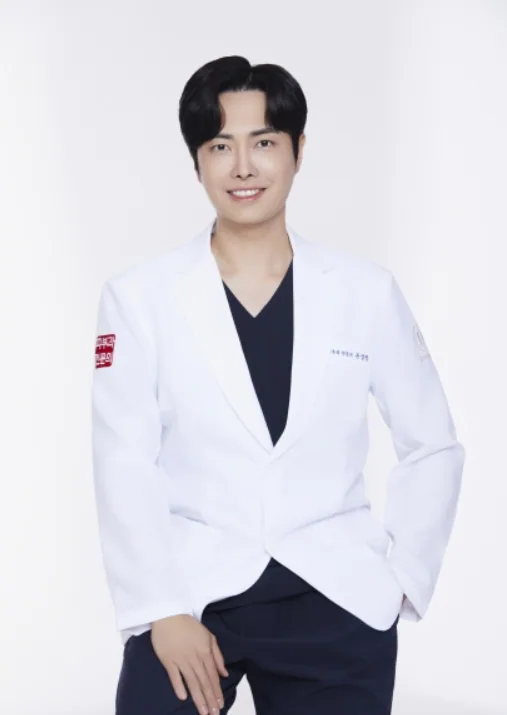
Your dermatologist
Dr. SangYoul Yun
Chief Director · Korean Board‑Certified Dermatologist · AAD International Fellow (IFAAD)
Dr. Yun treats rosacea as a long‑term condition, combining medication and laser while keeping skincare simple to avoid irritation. Consultations are available in English.
Delight Dermatology Clinic · Registered foreign‑patient medical institution (KHIDI M‑2024‑01‑08‑8248) · 4F, Building B, 509 Gangnam‑daero, Seocho‑gu, Seoul · +82 2‑517‑9991 · About our clinic
FAQ
Rosacea Treatment: frequently asked questions
Can rosacea be cured?
No, but it can be controlled for long periods.
Can I start treatment during a trip to Seoul?
Yes, you can begin medication and laser and continue at home.
Which triggers should I avoid?
Heat, alcohol, spicy food, sun and harsh products are common ones.
Does laser help rosacea?
Yes, for persistent redness and visible vessels.
Can I wear make‑up?
Yes, mineral make‑up and gentle removers are best.
Is it contagious?
No.
Book your rosacea consultation in Gangnam
Send a make‑up‑free photo for an initial assessment.