
Acne Scar Treatment in Seoul: Potenza, Fractional Laser and Subcision for Smoother Skin
Rolling, boxcar and ice‑pick scars each need a different tool. A dermatologist maps your scar types and combines RF microneedling, fractional CO2 laser, subcision and TCA CROSS for the best realistic improvement.
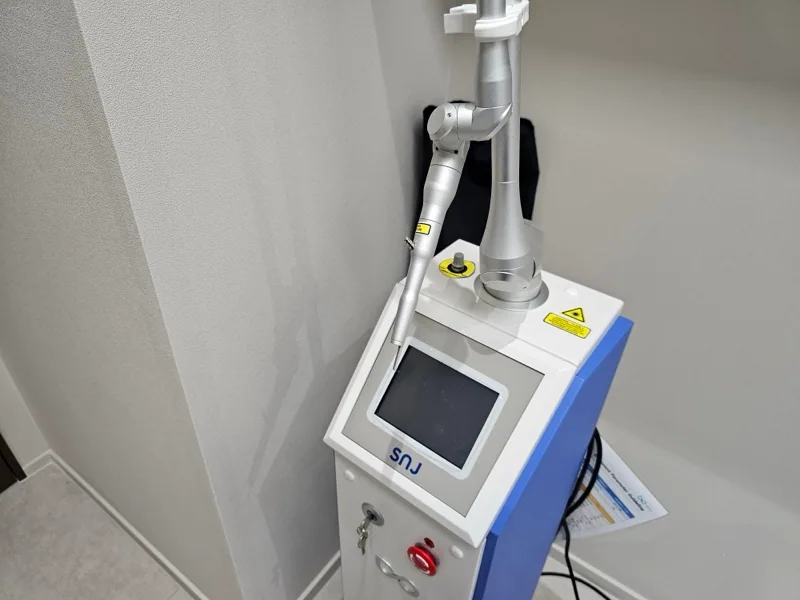
What is the best treatment for acne scars?
The best acne scar treatment combines methods matched to scar type: subcision for tethered rolling scars, TCA CROSS for ice‑pick scars, and RF microneedling or fractional laser to resurface boxcar scars and texture. Most people need 3–5 sessions over 4–6 months and can expect 50–80% improvement rather than complete removal.
Scar types
Which acne scars do you have?
Most people have a mix, which is why combination treatment works best.
Rolling scars
Wide, wavy depressions tethered underneath; respond to subcision plus resurfacing.
Boxcar scars
Sharp‑edged, flat‑bottomed scars; improve with Potenza or fractional laser.
Ice‑pick scars
Narrow, deep scars treated with TCA CROSS.
Red marks (PIE)
Vascular laser or toning fades redness.
Brown marks (PIH)
Pigment care; see pigmentation.
Active acne first
Control breakouts first; see hormonal acne.
How it works
Combining tools for deeper improvement
Subcision releases fibrous bands that pull scars down, TCA CROSS rebuilds narrow ice‑pick scars, and RF microneedling or fractional laser remodels collagen across the whole surface.
- Session 1: subcision and resurfacing as needed
- Weeks 4–6: collagen remodelling; next session
- 3–6 months: visible smoothing
- Maintenance: skin boosters can support results


What to expect
Your acne scar plan, step by step
-
Mapping
Dr. Yun grades each scar type under angled light.
-
Plan
Subcision, CROSS and resurfacing sequenced over months.
-
Treatment
Numbing, then 30–60 minutes depending on methods.
-
Aftercare
Gentle care, no picking, strict sun protection.
Who is a good candidate?
- Adults with stable, non‑inflamed acne scars
- People with rolling, boxcar or ice‑pick scars
- Those able to plan 3–5 sessions
- Patients with realistic expectations
Safety & side effects
- Active acne should be controlled first
- Recent isotretinoin needs review before resurfacing
- Darker skin needs settings that limit pigmentation
- Swelling and bruising after subcision for about a week
Most scars improve substantially; complete removal is rare.
Compare
Potenza vs. fractional CO2 for acne scars
Both help; many plans alternate them.
| Potenza | Fractional CO2 | |
|---|---|---|
| Best for | Rolling scars, pores | Boxcar scars, texture |
| Downtime | 1–3 days | 3–7 days |
| Darker skin | Very suitable | More caution |
| Sessions | About 3 | 3–5 |
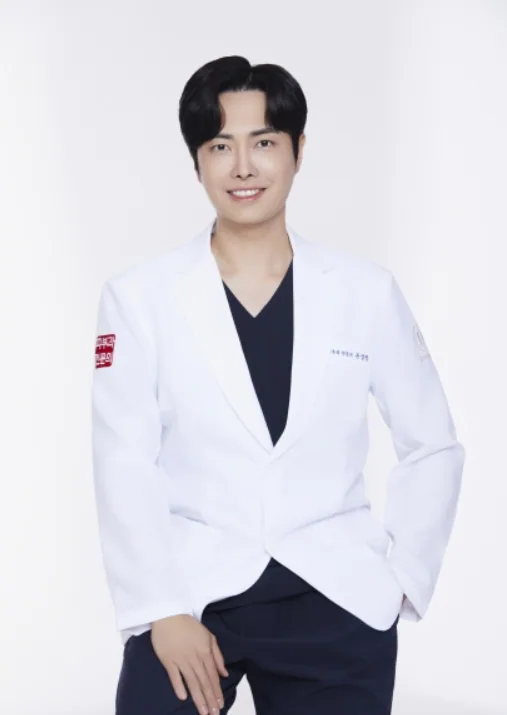
Your dermatologist
Dr. SangYoul Yun
Chief Director · Korean Board‑Certified Dermatologist · AAD International Fellow (IFAAD)
Dr. Yun maps every scar type before treatment and combines methods rather than repeating a single device. Consultations are available in English.
Delight Dermatology Clinic · Registered foreign‑patient medical institution (KHIDI M‑2024‑01‑08‑8248) · 4F, Building B, 509 Gangnam‑daero, Seocho‑gu, Seoul · +82 2‑517‑9991 · About our clinic
FAQ
Acne Scar Treatment: frequently asked questions
Can acne scars be removed completely?
Rarely, but most people see 50–80% improvement with combination treatment.
How many sessions do I need?
Usually 3–5, spaced 4–6 weeks apart.
Should I treat active acne first?
Yes; new breakouts create new scars.
Can I start on a short trip?
Yes, but plan downtime and follow‑up sessions.
Is subcision painful?
It is done under local anaesthetic; bruising is common for a week.
What about red or brown marks?
These are not true scars and fade with laser or pigment care.
Book your acne scar consultation in Gangnam
Send close‑up photos in side lighting for an initial plan.