
Nail Fungus Treatment in Seoul: Testing, Antifungals and Laser for Clearer Nails
Nail fungus (onychomycosis) makes nails thick, discoloured and brittle. A dermatologist confirms the infection with testing, then uses antifungal medication and laser to help a healthy nail grow back.
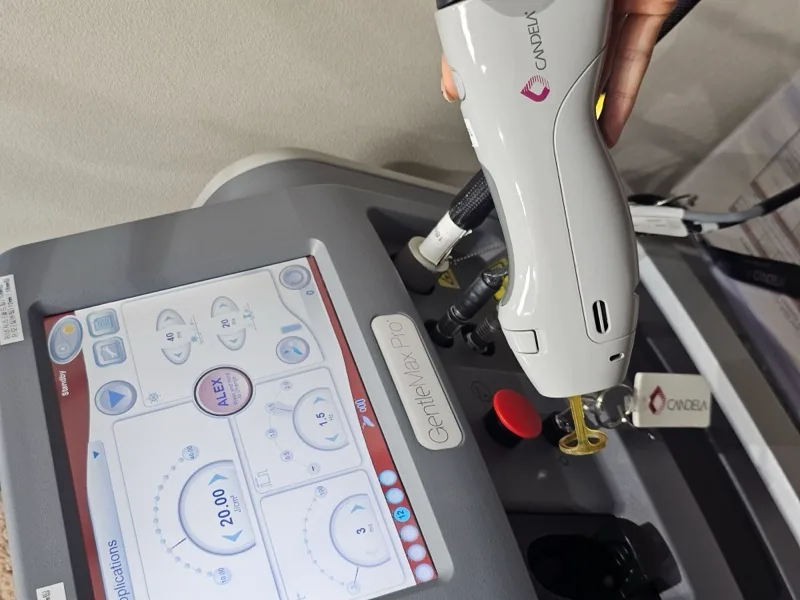
How is nail fungus treated?
Nail fungus is treated with oral antifungals such as terbinafine for moderate to severe cases, topical antifungal lacquers for mild cases, and Nd:YAG laser as a supportive or alternative option. Fingernails take about 6 months and toenails 9–12 months to grow out clear.
Signs
Is it nail fungus?
About half of abnormal nails are not fungal, so testing matters.
Discolouration
Yellow, white or brown patches.
Thickening
Nails become hard to trim.
Brittleness
Crumbling or ragged edges.
Lifting
Nail separates from its bed.
Toenails
Most common site; see toe fungus.
Look‑alikes
Psoriasis, injury or a dark streak; see melanoma.
How it works
Clear the infection, grow a new nail
Antifungals stop the fungus in the nail bed; laser heat damages fungal cells. The damaged nail does not recover, but a healthy nail gradually replaces it from the base.
- Visit 1: nail test and plan
- Months 1–3: medication and laser
- Months 3–6: clear nail growing
- 6–12 months: fully renewed nail
Pricing
How much does nail fungus treatment cost in Korea?
Costs depend on the number of nails and treatment.
| Treatment | Typical price range (KRW) |
|---|---|
| Initial dermatologist consultation | ₩20,000 – ₩50,000 |
| Topical antifungal | ₩10,000 – ₩30,000 per prescription |
| Oral antifungal (e.g. terbinafine) | ₩30,000 – ₩60,000 per month |
| Fungal culture or microscopy | ₩30,000 – ₩70,000 |
| Laser nail fungus treatment | ₩100,000 – ₩250,000 per session |
| Laser package (4–8 sessions) | ₩500,000 – ₩1,500,000 |
Guide ranges only. Your plan and quote are confirmed after an in‑person assessment.
What to expect
Your treatment, step by step
-
Testing
Nail sample confirms fungus.
-
Plan
Tablets, lacquer, laser or a combination.
-
Treatment
Laser every 4 weeks; medication daily.
-
Prevention
Dry feet, breathable shoes, treat athlete’s foot.
Who is a good candidate?
- Confirmed fungal nail infection
- Several affected nails
- Recurring infection
- Patients who cannot take tablets (laser)
Safety & side effects
- Oral antifungals may need liver tests
- Check drug interactions with other medicines
- Laser causes brief heat sensation
- Diabetes needs careful foot care
Early treatment gives the best results.
Compare
Topical lacquer vs. oral antifungal
Severity decides the best option.
| Topical lacquer | Oral antifungal | |
|---|---|---|
| Best for | Mild, few nails | Moderate to severe |
| Cure rate | Lower | Higher |
| Duration | 6–12 months daily | About 3 months |
| Side effects | Minimal | Possible liver effects |

Your dermatologist
Dr. SangYoul Yun
Chief Director · Korean Board‑Certified Dermatologist · AAD International Fellow (IFAAD)
Dr. Yun tests nails before treating and tailors the plan to your health, combining medication and laser where it helps. Consultations are available in English.
Delight Dermatology Clinic · Registered foreign‑patient medical institution (KHIDI M‑2024‑01‑08‑8248) · 4F, Building B, 509 Gangnam‑daero, Seocho‑gu, Seoul · +82 2‑517‑9991 · About our clinic
FAQ
Nail Fungus Treatment: frequently asked questions
How long until my nail looks normal?
Fingernails about 6 months, toenails 9–12 months.
Can I start treatment on a trip to Seoul?
Yes, you can be tested and start treatment, then continue at home.
Is laser effective on its own?
Results vary; it works best with medication.
Can nail fungus spread?
Yes, to other nails and skin.
Can I wear nail polish?
Avoid it during treatment.
Will it come back?
It can; prevention is important.
Book your nail fungus consultation in Gangnam
Send a photo of your nails for an initial assessment.